

planning & construction process
Steps We Take When Starting to Plan Your Dream Space
Rather than imposing our ideas onto a client, we encourage them to explore different possibilities and discover what best suits their individual needs and lifestyle.
We believe this approach gives gives our clients an immediate ‘feel’ for their home, and most importantly, ensures that the finished design is truly theirs. We at Tumilty Design understand that we are designing the client’s home, not our own.
Many architectural practices will ‘force’ their ideas onto the Client without considering the exact brief from the Client. We take a hands on, collaborative approach, combining our clients’ ideas and vision with our knowledge and experience. We listen carefully to the brief and work closely with each client to create a home that reflects their needs, personality and aspirations.
We are experienced in contemporary designs through to traditional facades which can be seen on our projects page.
Planning Application
There are generally two applications to be made within the process of getting planning permission and building your home.
The first application will be a Planning application. Once the planning permission is approved, then we make a Building Control application. This contains working drawings, specifications, structural engineers details and energy report.
We will describe the Planning application process first.
You will contact our Office for your initial free consultation
Within this meeting, we will assess your situation in relation to the Planning Policy Statements.
After this meeting we will provide a written quotation for our services and professional fees.
Once you have accepted this breakdown of services and fees letter, we can start the process of designing your dream home.
We will arrange to visit your site and in conjunction with yourself we will decide a programme of work, timelines, etc
We will arrange another meeting when we will take your brief and then advise you of timelines for sketch designs, etc
We will prepare sketch plans based in your brief.
We will arrange further meetings to finalise sketches before preparing planning drawings. The drawings required for the planning application are;
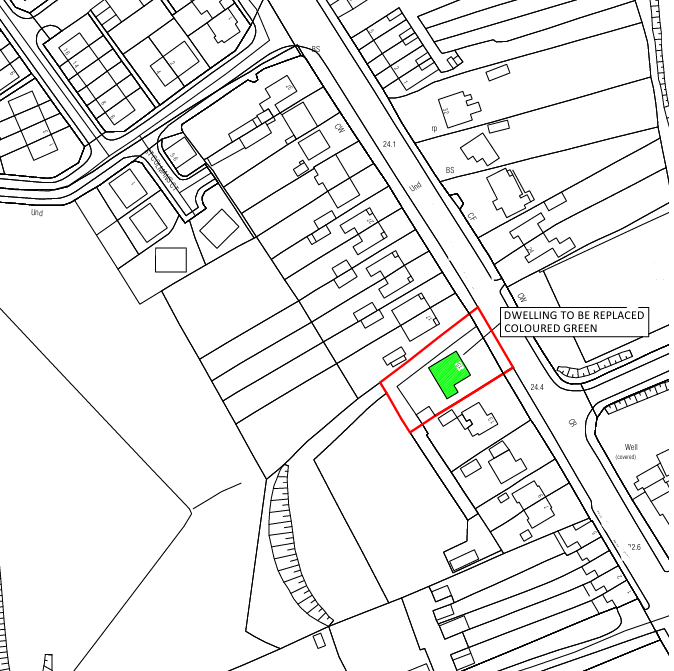
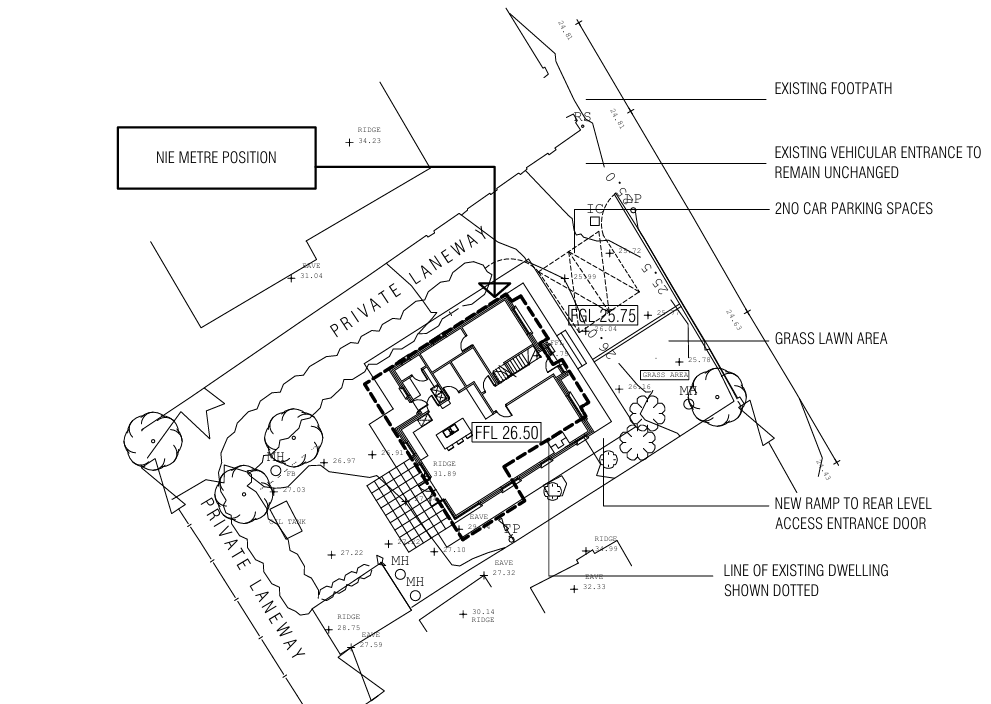
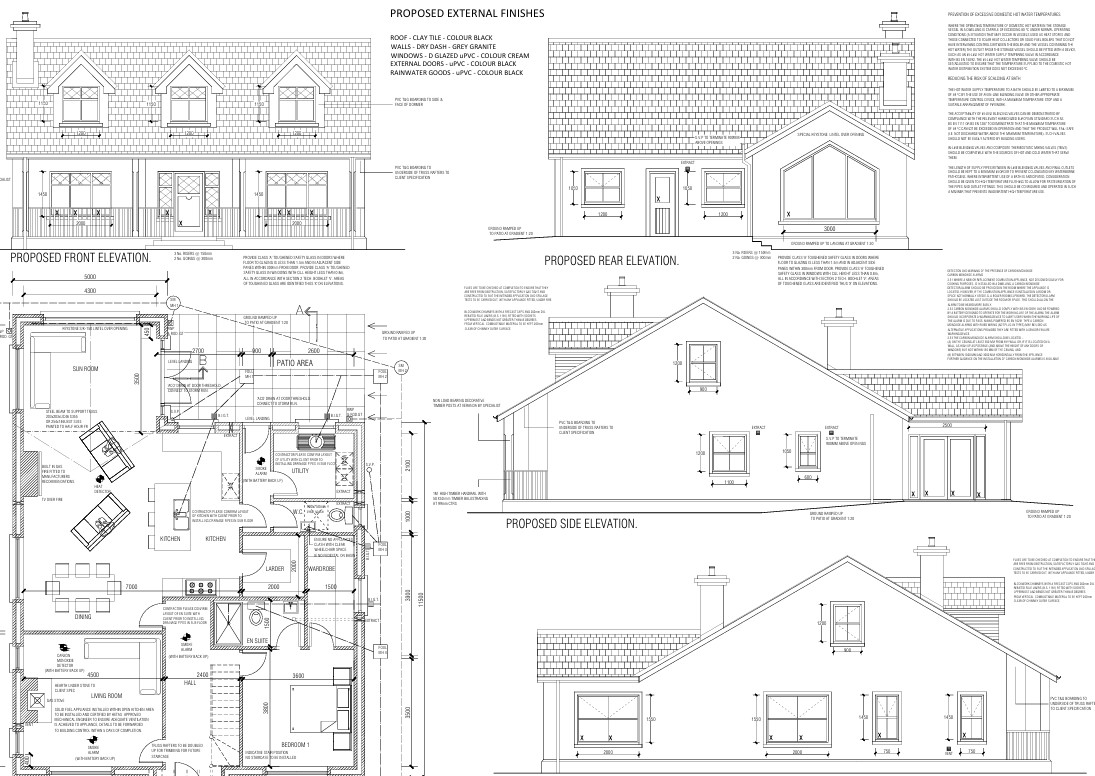
9. We will make the Planning application on your behalf and liaise with the various agencies within the Planning process e.g. Planning Department, Roads Service, Environmental Health Department, Historic Buildings Branch, etc.
Building Control Application
Once planning permission has been obtained, we proceed to prepare Building Control application drawings. These drawings are more detailed than planning drawings and incorporate the technical details and building regulation requirements applicable to your project. These include requirements relating to accessibility, fire safety, smoke alarms, escape windows, floor and roof timber sizes, stair design, door opening widths, structural engineer’s details and energy performance.
Tendering Your project
The detailed Building Control drawings also form the basis for the contractors to provide accurate prices. We can apply for Building Control approval while preparing contract drawings and specification at the same time.
We can then tender the project to a selection of contractors, carefully reviewing all estimates and negotiating with contractors to enable you receive a competitive and accurate price before work begins on site. All estimates are agreed before construction commences. Generally the only element that cannot be fully confirmed in advance is the quality and depth of the adequate load-bearing ground required for the foundations. This will be determined on site in conjunction with the Local Building Control Officer.
Release of Mortgage Payments for self-build
Tumilty Design is approved by a number of financial institutions to certify progress on self-build projects. We are qualified to issue these certificates and hold the Professional Indemnity Insurance required by lenders. We inspect the property at various stages throughout the project and issue the necessary certificates to allow the mortgage company to release stage payments. These stages would normally include substructure complete (foundations poured, substructure walls constructed and concrete floor poured), wallplate complete (the highest point of the blockwork wall, before the roof is installed), roof complete (slates or tiles installed), first fix complete (electrical and plumbing first fix completed), and finally, the dwelling fully complete and ready for occupation. A Completion Certificate must be issued by Building Control, together with our Final Certificate, before the mortgage company will release the final payment.
Generally, the above provides an accurate overview of the process .However, depending on the requirements of the project, additional Professional Consultants may need involved.
These can include: Ecologists - particularly where an existing house is being replaced or trees and hedges are being removed from the site. Landscape Architect - where required as part of the planning process. Structural Engineers - to provide structural calculations and details. Quantity Surveyors - to provide building cost estimates. Energy Engineers - to assess the building’s energy performance and heat loss, air tightness test requirement. Sound Engineers - for projects such as semi-detached houses and apartments. Roads/Traffic Engineers - where issues arise regarding the proposed site entrance or parking requirements.
We liaise with all the additional Professional Consultants on your behalf, negotiating fees and agreeing these with you before any consultant is appointed. You therefore have minimal involvement dealings with these professional unless you wish to be involved. At Tumilty Design, we take pressure off out clients and aim to make the process as straightforward as possible. We are experienced in dealing with these professional consultants over many years and have established a trusted network of companies and individuals whom we regularly work with.